
Standards · IS 7312 · IS 8433 · IS 308 : 2024
IS 7312: the dissolved acetylene cylinder its porous mass and solvent
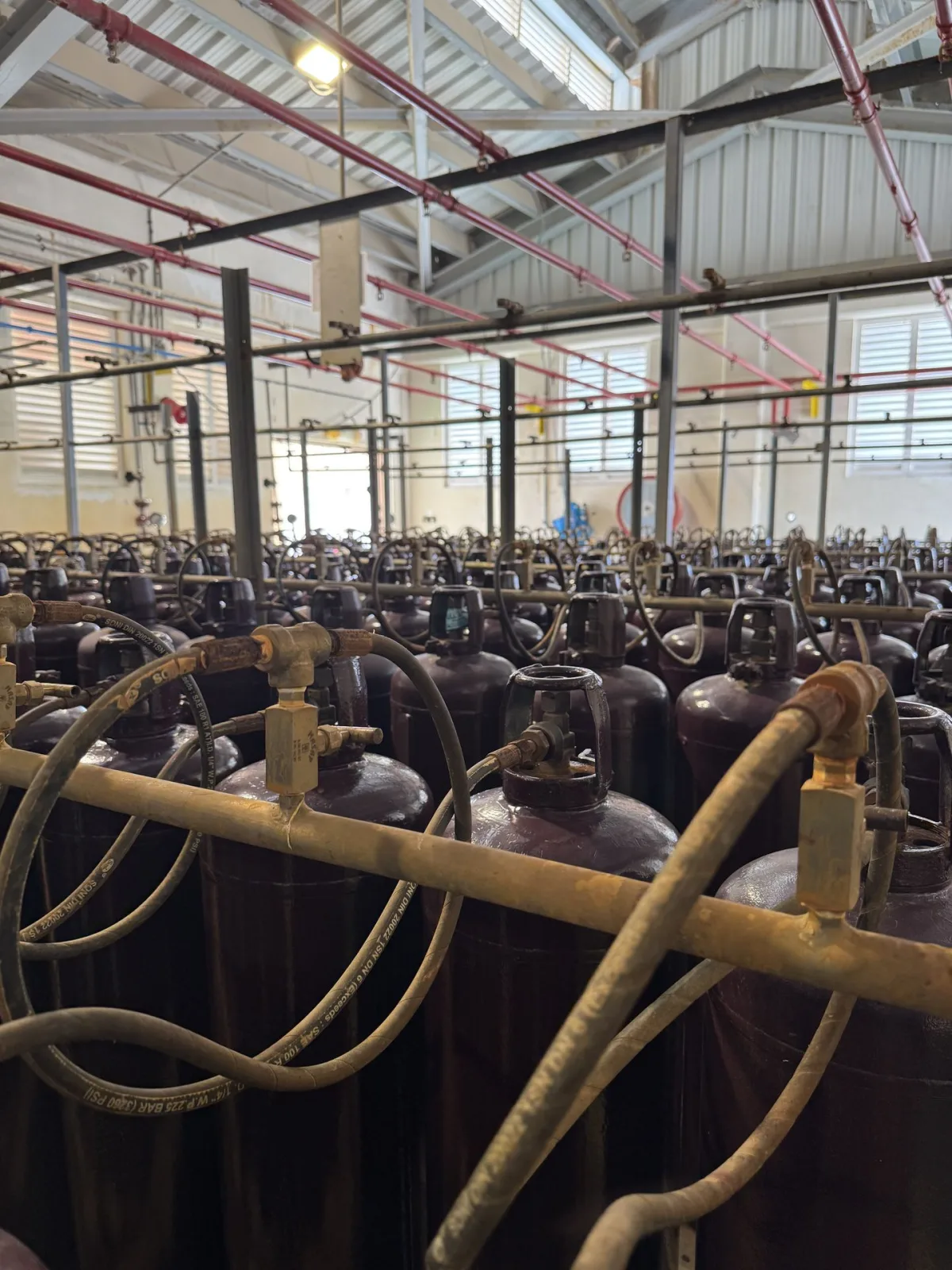
IS 7312 specifies the dissolved acetylene cylinder — not just the steel shell but the solid porous mass inside it and the acetone charged into that mass. It is the only Indian gas cylinder standard covering a solid filling and a solvent, and it is why the retest interval is 2 years.
- Standard
- IS 7312
- What it covers
- Shell
- Solvent
- Acetone
- Periodic inspection
- 2 years
- Identifying colour
- Maroon
The only cylinder standard that specifies a solid and a liquid
Every other gas cylinder in the Indian range is a steel pressure vessel with gas inside it. IS 7312 has to specify three things:
- the steel shell
- the solid porous mass formed inside it
- the acetone charged into that mass
That is unique across the range, and it follows directly from the fact that acetylene cannot be stored as free compressed gas the way other gases are; the reason is here.
The mass is part of the cylinder
The porous mass is formed in place. It cannot be poured in, taken out, repaired or replaced.
Its job is twofold: it holds the acetone distributed through the cylinder rather than pooled at the bottom, and it divides the interior into cells small enough that a decomposition starting in one place cannot propagate.
If the mass is damaged, settled or contaminated, the cylinder is finished. There is no repacking step. This is why the periodic inspection matters more on acetylene than on anything else you handle.
The two-yearly inspection
Under IS 8433, a dissolved acetylene cylinder is inspected every two years, against five for compressed gases under IS 8451.
The inspection covers:
- the steel shell, as with any cylinder
- the condition of the porous mass
- the acetone charge, which is made up as required
Acetone is genuinely consumed over a cylinder's life. A little always leaves with the gas, and much more is lost if the cylinder is drawn too fast or used lying down. A cylinder short of acetone holds less gas and holds it less safely, which is the real reason behind the one-seventh-per-hour draw-off rule and the insistence on upright use, both set out on handling acetylene cylinders.
An inspection that looks only at the metal has not inspected an acetylene cylinder.
Reading the markings
The shoulder stamping carries the standard, the test dates and the tare weight.
The tare does double duty. It identifies the cylinder, and it is the number you subtract when weighing to find how much acetylene remains, because the pressure gauge reads the vapour pressure of the acetone and tells you almost nothing about the contents.
The standards around it
What KIGL does with it
Dissolved acetylene is filled at the Guwahati works into cylinders built and requalified to IS 7312 and IS 8433. The conformance register on the standards hub sets out what KIGL works to for each activity, and at which works.
IS 7312 — frequently asked questions
Why does acetylene need its own cylinder standard?
Because an acetylene cylinder is not a pressure vessel holding compressed gas. It contains a solid porous mass, and that mass is charged with acetone in which the acetylene is dissolved. No other industrial gas cylinder in the Indian range has a solid filling and a solvent, so no other cylinder standard has to specify them.
Can the porous mass be replaced?
It depends which kind it is. IS 8433 recognises a MONOLITHIC mass, bonded or reacted in place, and a NON-MONOLITHIC mass of granular or fibrous material without a binder. A monolithic mass is part of the cylinder and cannot be repaired or replaced. A non-monolithic mass may be topped up at periodic inspection to the mass manufacturer's instructions, but no more than 50 g at any one inspection, and only while the porosity stays above its permissible limit. Beyond that the cylinder is withdrawn from service — it cannot be repacked. This is exactly what the two-yearly inspection under IS 8433 exists to detect.
What does the periodic inspection cover?
The steel shell, as with any cylinder — and additionally the condition of the porous mass and the solvent charge. Acetone is consumed and carried out with the gas over a cylinder's life, so the charge has to be checked and made up. An inspection that looks only at the metal has not inspected an acetylene cylinder.
Why is acetone lost over time?
Because a small quantity always leaves with the gas, and more is lost if the cylinder is drawn too fast or used lying down. A cylinder progressively short of acetone holds less gas and holds it less safely, which is why draw-off is limited to one-seventh of contents per hour and why upright use is not a suggestion.
How do I know a cylinder is in test?
From the markings stamped on the shoulder, which carry the standard, the test dates and the tare weight. The tare matters twice over: it proves the cylinder's identity and it is what you subtract when weighing to find out how much acetylene is left, since the pressure gauge cannot tell you.
Does the valve have its own standard?
Yes — IS 3224 governs cylinder valves, and acetylene uses a left-hand thread as every fuel gas does, so a fuel regulator cannot be fitted to an oxidising gas by mistake. The thread form is a safety feature, which is why an adaptor must never be used to defeat it.
Enquiries
Request a quotation
State the gas or equipment, the quantity or capacity, and your location. KIGL will confirm the grade, the cylinder or plant size, and whether the location can be served from Noonmati, or through our agent network.