
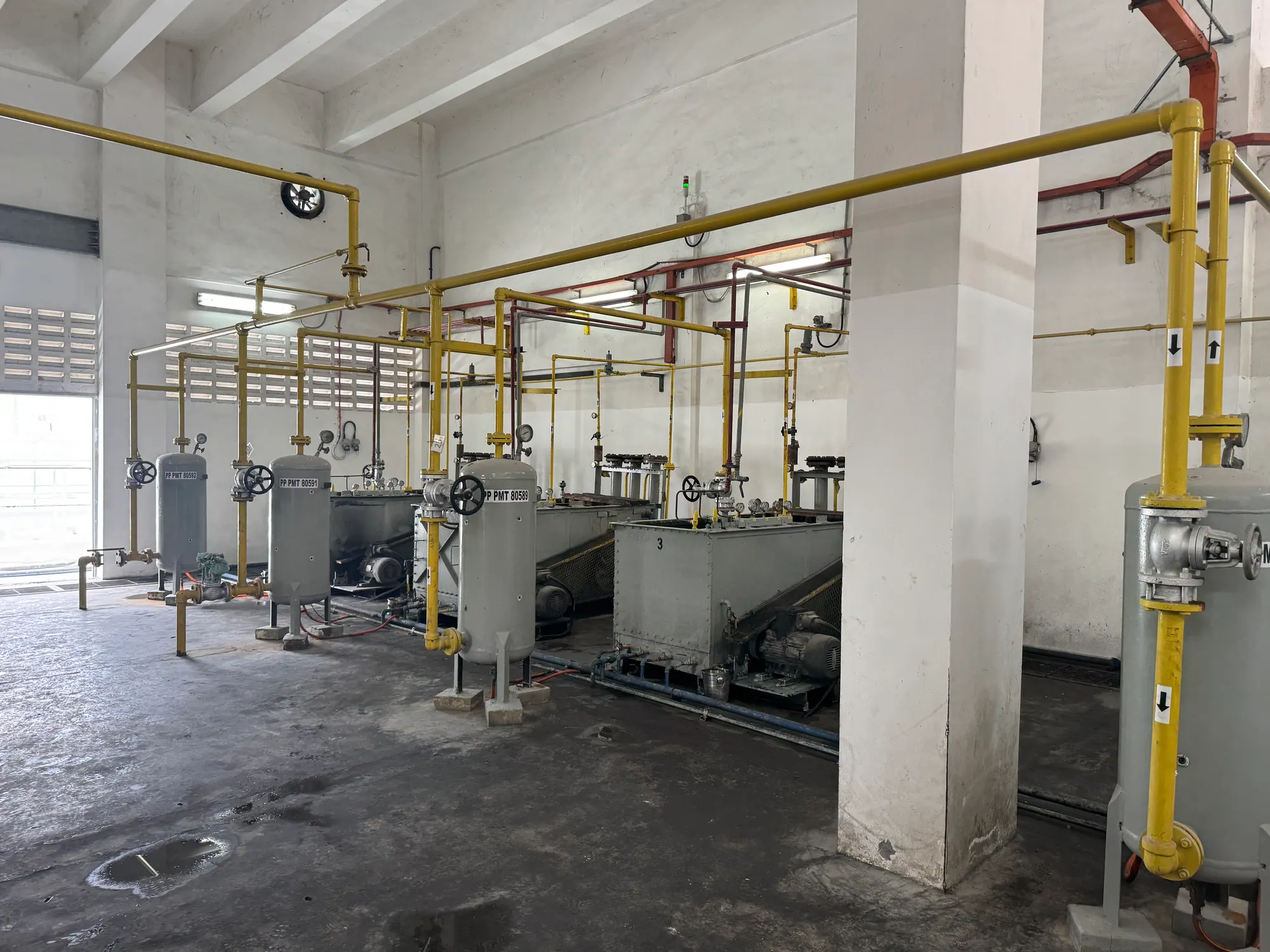
Equipment
KIGL-DA-25 acetylene gas plant — the smallest plant worth owning
The KIGL-DA-25 is the smallest plant in the KIGL acetylene range, nominally 25 Nm³/h. It suits a works that has outgrown buying cylinders but does not need continuous generation. Built, commissioned and supported by a manufacturer that has made acetylene since 1947 and sat on the BIS cylinder committees.
₹35,00,000 – ₹45,00,000 per plant Indicative. Your quotation is the figure that counts — price moves with quantity, cylinder size, contract term and delivery.
- 25 Nm³/h
- Nominal capacity
- 0.2
- Generation pressure band
- Nitrogen
- Purge medium
- Calcium carbide
- Feedstock
- IS 308 for the gas
- Governing standards
KIGL-DA-25 acetylene gas plant — 25 Nm³/h specification
The KIGL-DA-25 is the smallest acetylene generator we build — nominally 25 Nm³/h of dissolved acetylene from calcium carbide. It is the entry point to making your own gas instead of buying it in cylinders.
Everything about acetylene generation is shaped by one fact: acetylene decomposes explosively under pressure without needing any oxidant at all. It is not a fuel that becomes dangerous when it meets air; it is a molecule that comes apart on its own if you compress it. So a carbide generator is not built like other gas plant. It runs at very low pressure by design, and the safety systems exist to keep it there.
Generation pressure and operating envelope
Generation pressure: 0.2–0.92 kg/cm²g, with a 1.05 kg/cm²g ceiling. That band is from our own operating manuals, and it is the single most important operating figure on any acetylene plant. Every interlock, relief and alarm on the machine exists to hold it.
Purge with nitrogen. Never air. Purging with air puts oxygen into a vessel about to hold acetylene, and acetylene-air mixtures are flammable across an exceptionally wide range. This is the rule operators most need drilled into them, and it is the one most often got wrong on plants bought from suppliers who have never run one.
We publish these because almost nobody else does. Competitors publish capacity and a photograph. If you are about to spend money on a plant, the operating envelope is what you actually need.
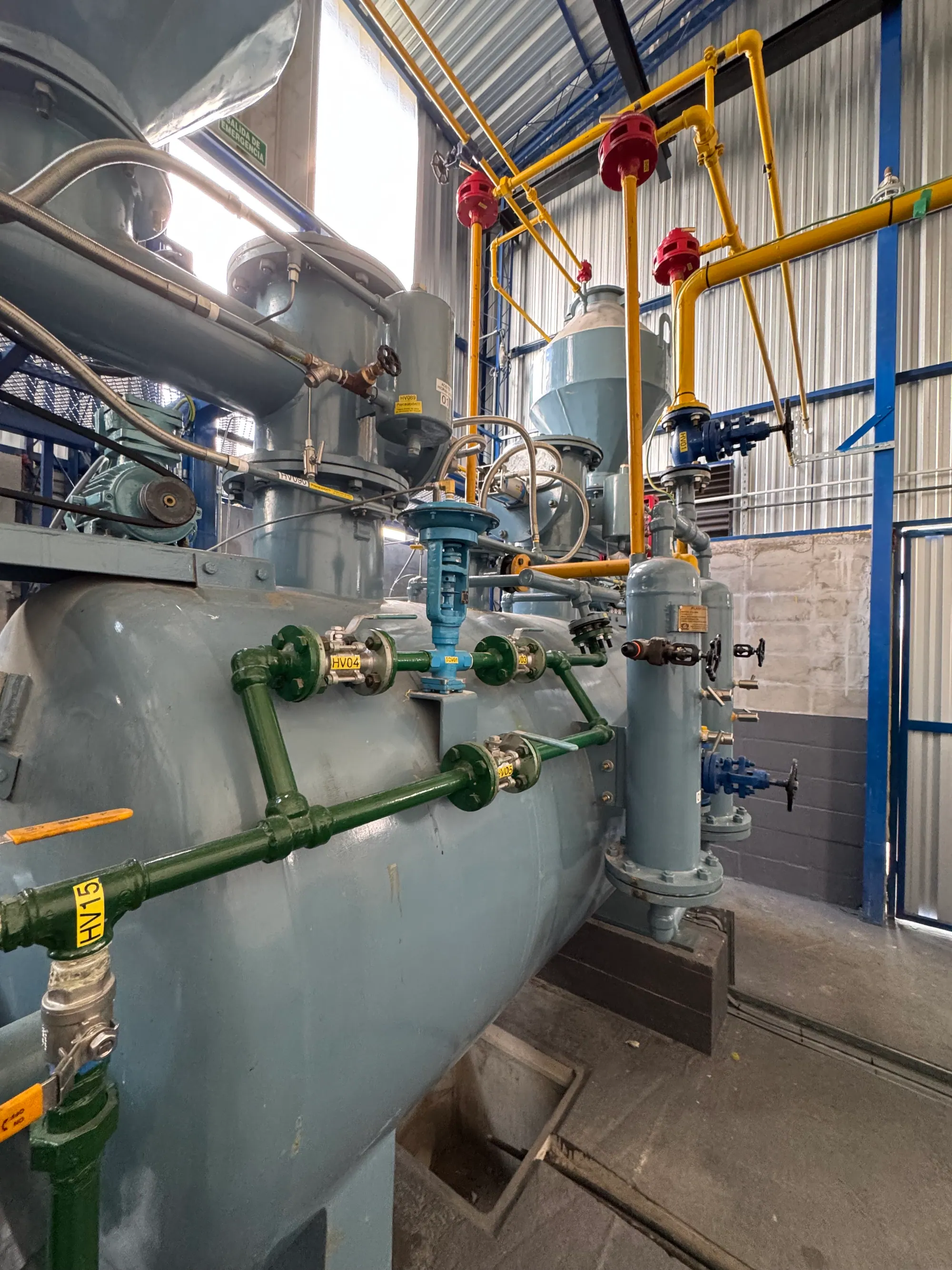
Process pipework and valve manifold on a KIGL-built industrial gas plant
Guwahati works · agent network
Safe handling
The honest framing is not “how much gas do you use” but “what would you stop paying for.”
Most buyers looking at a plant this size are currently buying cylinders, and a large share of that spend is not gas at all — it is cylinder rental, freight, and the cost of running out. In the North-East, where a delivery can be days away in monsoon, that last one is often the real driver.
A plant this size suits a works that:
Is a 25 Nm³/h acetylene plant the right size for your works?
- has outgrown cylinder supply but does not need gas continuously
- is far enough from a filling station that freight and lead time hurt
- can staff and license a plant properly — see below
It does not suit a works that wants a machine in the corner and no change in how it operates.
PESO licensing and what an acetylene plant commits you to
This is the part most suppliers leave until after the order, so we will say it first.
An acetylene plant is a licensed installation. It needs a compliant building, separation distances, a PESO licence, trained operators, a maintenance regime and a relationship with whoever supplies your carbide. The generator is frequently the smaller part of the project cost and the smaller part of the ongoing effort.
If that sounds like more than you want to take on, buying dissolved acetylene in cylinders remains the appropriate option, and KIGL will say so at the enquiry stage.
Why KIGL
Why buy the KIGL-DA-25 acetylene plant from KIGL
We have manufactured acetylene since 1947, we fill cylinders ourselves, and the group has contributed to the BIS committees that write the Indian standards for acetylene cylinders and generators. That combination is unusual: most plant suppliers have never operated one, and most gas companies do not build them.
It matters practically. When your plant misbehaves at two in the morning, the useful person on the phone is someone who has run the same machine, not someone who assembled it.
We commission the plant, train your operators, and maintain plants we did not supply. See the operation and maintenance guide for how one is actually run, and the full plant range for the larger models.
Specification
KIGL-DA-25 acetylene gas plant — full specification
| Property | Value | Basis |
|---|---|---|
| Nominal capacity | 25 Nm³/h | Model designation |
| Generation pressure band | 0.2–0.92 kg/cm²g, 1.05 kg/cm²g ceiling | KIGL-DA operating manual |
| Purge medium | Nitrogen | KIGL-DA operating manual |
| Feedstock | Calcium carbide | KIGL technical |
| Governing standards | IS 308 for the gas, IS 7312 for the cylinders it fills | Bureau of Indian Standards |
| Built since | 1947 | KIGL |
| Generation pressure, normal band | 0.2–0.92 kg/cm²g | KIGL-DA operating manual |
| Generation pressure, ceiling | 1.05 kg/cm²g | KIGL-DA operating manual |
| Gas specification produced | IS 308 dissolved acetylene | Bureau of Indian Standards |
Questions
KIGL-DA-25 acetylene gas plant — frequently asked questions
At what consumption does making acetylene beat buying it?
It depends on your cylinder price, your carbide price and how much of your current spend is cylinder rental and freight rather than gas. Those last two are where most of the saving actually sits, and they are the numbers buyers most often leave out. Send us twelve months of gas invoices and we will work it through with you — including telling you if the answer is that you should keep buying cylinders.
What does a plant this size need in terms of space and people?
An acetylene plant is a licensed installation, not a machine you put in a corner. It needs a compliant building, separation distances, a PESO licence, trained operators and a maintenance regime. The plant is often the smaller part of the project. We would rather set that expectation now than after you have bought one.
Why is the generation pressure kept so low?
Because acetylene decomposes explosively under pressure with no oxidant present at all. The whole design of a carbide generator is built around keeping the gas below the pressure where that becomes a risk, which is why the working band is 0.2–0.92 kg/cm²g with a 1.05 ceiling rather than the tens of bar you would see on any other gas plant.
Why must purging use nitrogen rather than air?
Because purging with air puts oxygen into a vessel that is about to contain acetylene, and acetylene-air mixtures are flammable across an exceptionally wide range. Nitrogen purging is not a preference or a refinement — it is the rule, and it is the one operators most need to have drilled into them.
Can we upgrade to a larger plant later?
The plant itself is sized at purchase, but the building, licensing and services usually are the constraint on future capacity rather than the generator. If you think you may grow, tell us at the design stage — sizing the civil works and the licence for a larger plant than you are buying costs far less now than retrofitting later.
Do you commission it, or just ship it?
We commission it, and we train your operators. We also maintain plants we did not supply. Buying an acetylene plant from someone who has never run one is a common and expensive mistake — we fill cylinders ourselves, so every recommendation on this page comes from operating the equipment as well as building it.
Read next
Enquiries
Request a quotation for KIGL-DA-25 acetylene gas plant
State the gas or equipment, the quantity or capacity, and your location. KIGL will confirm the grade, the cylinder or plant size, and whether the location can be served from Noonmati, or through our agent network.