
Guide
Calcium carbide rules in India: who regulates carbide storage generation and transport, and what each instrument covers
In India calcium carbide storage and acetylene generation fall under the Carbide of Calcium Rules, made under the Explosives Act 1884 and administered by PESO from Nagpur. Generators must meet IS 8471:2003, filling plants need a Gas Cylinders Rules 2016 licence, and carbide drums carry the warning CALCIUM CARBIDE — DANGEROUS, IF NOT KEPT DRY.
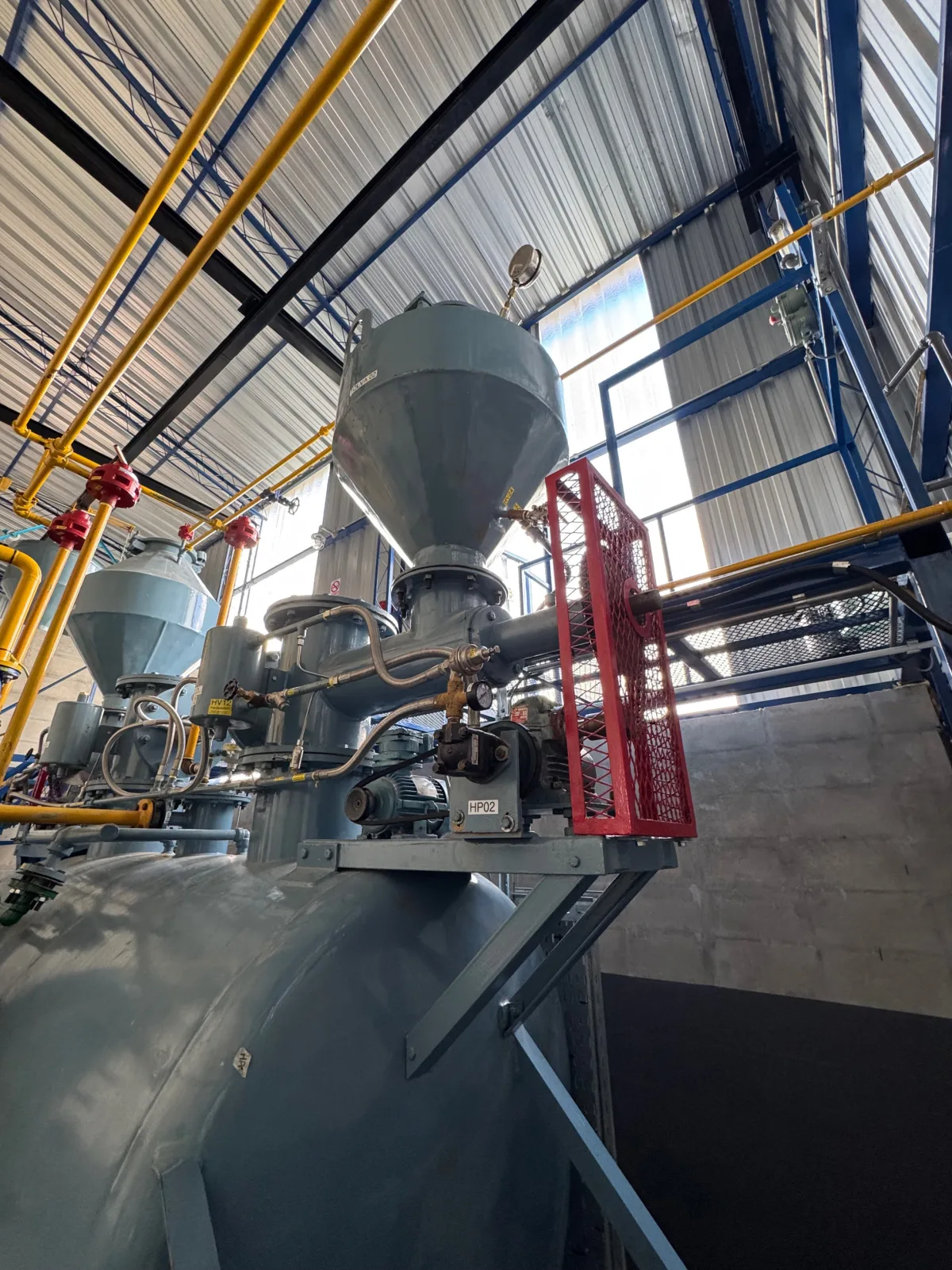
- Regulator
- Petroleum and Explosives Safety Organisation; filling and storage licences and generator approvals all route to the Chief Controller of Explosives
- Generator standard
- IS 8471:2003 with Amendment 1
- Storage licence dependency
- A Form F acetylene storage licence requires the CCE's generator approval
- Plant distances
- Acetylene plant 15 m to boundary and offices
- Drum marking
- CALCIUM CARBIDE
India regulates calcium carbide and the acetylene made from it through six overlapping instruments: two sets of Rules administered by one office, three Indian Standards and the waste rules. Carbide storage and acetylene generation fall under the Carbide of Calcium Rules; filling and storing dissolved acetylene cylinders fall under the Gas Cylinders Rules 2016; both are made under the Explosives Act 1884 and administered by the Petroleum and Explosives Safety Organisation (PESO), with approvals issued by the Chief Controller of Explosives at Nagpur. The generator itself is built to IS 8471:2003, and the carbide to IS 1040. This page sets out what each covers, as far as the texts KIGL has reviewed support, and says clearly where it does not.
The instruments
| Instrument | What it governs | Who administers |
|---|---|---|
| Carbide of Calcium Rules, under the Explosives Act 1884 | Possession, storage and use of calcium carbide; acetylene generation | PESO, CCE Nagpur |
| Gas Cylinders Rules 2016 | Filling (Form E), storage of filled cylinders (Form F), cylinder approvals, transport of cylinders | PESO, CCE Nagpur |
| IS 8471:2003 + Amd 1 (Feb 2024) | Design, construction, performance and testing of acetylene generators | BIS; approval by CCE |
| IS 1040 (1987, now 2024) | Carbide quality, sizes, test methods, packing and marking | BIS, inorganic chemicals committee |
| IS 14814:2023 | Code of safety for acetylene, including carbide godown fire rules | BIS |
| Hazardous and Other Wastes Rules 2016 | The carbide lime by-product | MoEF&CC; State Pollution Control Boards |
IS 8471:2003 states in its foreword that the generation of acetylene is regulated under the Carbide of Calcium Rules, a separate instrument from the Gas Cylinders Rules. Both should be named on any generator or plant document. In practice everything routes to the CCE at Nagpur: filling licences, storage licences, cylinder approvals and generator approvals.
Why the generator approval comes first
The single most useful fact for a buyer of an acetylene plant is a dependency in the licensing chain: a Form F licence to store acetylene cylinders requires the CCE's approval of the generator. A customer cannot license a cylinder store for gas from a generator PESO has not approved. The generator approval therefore has to be in place before the cylinder storage licence can be granted. The steps are described in PESO licence for an acetylene plant, and the generator standard in IS 8471 explained.
IS 8471 contains several carbide-specific requirements worth knowing because they turn on the quantity of carbide in the generator rather than on its gas output:
| IS 8471:2003 clause | Requirement |
|---|---|
| 1.2 | Portable generators limited to 3.2 m³/h and less than 20 kg of carbide |
| 5.2 | Acetylene recovered shall be not less than 90 % of the yield rate of the carbide used |
| 8.1.1 | In water-to-carbide generators the carbide charge shall not occupy more than 75 % of the holder space |
| 9.10 | Where air has direct access during charging, the carbide charge shall not exceed 135 kg |
| 10.3 | Carbide fed from more than 250 mm above the normal water level |
| 11.1 | Generators of 50 kg or more carbide capacity need two automatic safety reliefs |
Rules that matter
The Gas Cylinders Rules 2016 Form E, Part B, sets additional conditions for dissolved acetylene filling and storage plants. Several concern carbide directly:
The filling-plant licence conditions that touch carbide
- Written emergency procedures for calcium carbide storage and transportation, carbide fires, carbide lime spillage and a hot acetylene cylinder.
- Dry chemical powder fire extinguishers at all strategic locations, and no CO₂ extinguishers on flammable-gas fires because of the static they generate.
- Safety distances: acetylene plant 15 m to the factory boundary, buildings, adjacent properties and offices; 15 m to cryogenic storage vessels and to non-flameproof electrical fittings; 30 m to an oxygen manufacturing plant; 90 m to an air-compressor air intake; and lime sludge drying pits 9 m from the boundary wall and from the acetylene generation unit.
- Equipment designed to prevent air or oxygen entry and to eliminate air-acetylene mixtures by purging.
IS 14814:2023 cl 9.2 adds the extinguishing rule for the carbide itself: water spray, soda-acid and pressurised-water extinguishers must not be used for a fire in the calcium carbide godown or the generator hopper. Cl 7.3.4 requires electrical fittings in acetylene filling and storage premises to be flameproof to IS/IEC 60079-1, and acetylene is a Group IIC gas. The reasons are set out in the carbide safety data summary.
Packing and marking
IS 1040:1987 cl 6 requires carbide in moisture-proof steel containers complying with the applicable transport and storage regulations, holding 50 or 100 kg unless agreed otherwise, one graded size per container. Each container is marked with the name, quality and grade; graded size; net and gross mass; month and year of packing; manufacturer's name or trade mark; a lot number; the danger symbol of IS 1260 (Part 1); and the words CALCIUM CARBIDE — DANGEROUS, IF NOT KEPT DRY. The 1987 edition has been superseded by IS 1040:2024 and KIGL has not yet confirmed whether the marking clause changed. The C.P.I. recorded the wording "Carbide of Calcium, Dangerous if not kept dry" as the required marking in Britain, Canada and the USA in 1968, so the warning has been international for at least sixty years.
Rules that matter
KIGL has not reviewed the transport provisions of the Carbide of Calcium Rules, and this page does not state them. What the sources do support:
Transport
- IS 14814:2023 lists the Central Motor Vehicles Rules 1989 as the instrument for the transport of hazardous chemicals by road, and prohibits carrying acetylene cylinders on a two-wheeled motor vehicle (cl 7.5.2).
- The Form E licence conditions require a written emergency procedure for carbide transport.
- The physics sets the practical rules: carbide must stay dry, so drums travel sealed, under cover, away from rain, wash water and any liquid cargo, and are never loaded wet. Damaged or dented drums are segregated because a split drum takes in moisture and builds acetylene in its headspace, measured in the literature at up to 26 %. Smoking and naked lights are kept away from the load, and drums are handled without dropping.
- Carbide lime is a separate question. EIGA states that it is not ADR dangerous goods in Europe; its Indian transport classification has not been established.
What the old national rules show
The C.P.I.'s 1968 survey of its members' regulations is history, not Indian law, but it shows what every regime regulated: the nature of the packing; the tools authorised for opening drums; the number of drums that may be open at once; in some cases opening only outside the store-room; the construction of stores and their distance from other buildings; ventilation; a prohibition on stores over cellars; low-voltage electricity only; no water or steam pipes through the store; and a notice at the depot stating the extinguishing rule. Quantity thresholds ranged from 270 kg in American inhabited premises to a Swiss declaration threshold of 5,000 kg. These are the same topics an Indian licence condition will address, and they are a useful checklist for preparing a store for inspection. See carbide storage.
Rules that matter
Rules to apply
- Name both the Carbide of Calcium Rules and the Gas Cylinders Rules 2016 on every plant document, and IS 8471 for the generator.
- Obtain the generator approval first; the cylinder storage licence depends on it.
- Take quantity thresholds and store distances from the current Rules or the PESO circle office, not from older manuals or foreign codes.
- Write the carbide emergency procedure the Form E conditions require: storage, transport, carbide fire and lime spillage, with dry chemical powder and no water.
- Keep drums labelled to IS 1040 and stored sealed; record the packing date on receipt.
For the wider rule set for cylinder fillers and users, see the Gas Cylinders Rules 2016 guide and the acetylene generator standards page.
Calcium carbide rules — frequently asked questions
Do I need a licence to store calcium carbide in India?
Storage of carbide above prescribed quantities is regulated under the Carbide of Calcium Rules, administered by PESO. This page does not state the quantity thresholds because KIGL has not reviewed the current text of the Rules; check the current Rules or ask the PESO circle office before storing carbide in bulk.
Which authority approves an acetylene generator in India?
The Chief Controller of Explosives at PESO, Nagpur. Generators are built to IS 8471:2003, whose foreword places acetylene generation under the Carbide of Calcium Rules, and a Form F licence to store acetylene cylinders cannot be granted without the CCE's approval of the generator that fills them.
What must be written on a calcium carbide drum?
Under IS 1040:1987: name, quality and grade, graded size, net and gross mass, month and year of packing, manufacturer's name or mark, lot number, the IS 1260 danger symbol and the words CALCIUM CARBIDE — DANGEROUS, IF NOT KEPT DRY. The same warning wording was required in Britain, Canada and the USA in the 1960s.
How should calcium carbide be transported?
In sealed moisture-proof steel drums, upright, protected from rain and from water used to wash vehicles, separated from acids and oxidisers, without smoking or naked lights, and with the supplier's safety data sheet. Transport of hazardous goods by road is governed by the Central Motor Vehicles Rules 1989, which IS 14814:2023 cites for hazardous-chemical transport.
How far must a carbide store be from other buildings?
KIGL has found no Indian figure specific to carbide stores. EIGA Doc 123 sets 3 m from the carbide store to the boundary, adjacent buildings and offices, and the Indian filling-plant conditions set 15 m from the acetylene plant to the boundary. Confirm the store distance with PESO for your licence.
Are carbide fires covered by Indian rules?
Yes. IS 14814:2023 cl 9.2 prohibits water spray, soda-acid and pressurised-water extinguishers for a fire in a carbide godown or generator hopper, and the Gas Cylinders Rules 2016 Form E conditions require dry chemical powder extinguishers and written emergency procedures for carbide storage, transport, carbide fires and lime spillage.
References
- Bureau of Indian Standards. (1987). Calcium Carbide, Technical (scan, Public Resource BIS mirror) (IS 1040:1987, Third Revision).
- Bureau of Indian Standards. (2003). Acetylene Generators and IS 14814:2023 Acetylene — Code of Safety (IS 8471:2003, First Revision).
- European Industrial Gases Association. (n.d.). Code of Practice: Acetylene (EIGA Doc 123).
- Petroleum and Explosives Safety Organisation. (n.d.). (Carbide of Calcium Rules, Gas Cylinders Rules 2016). Government of India.
Enquiries
Request a quotation
State the gas or equipment, the quantity or capacity, and your location. KIGL will confirm the grade, the cylinder or plant size, and whether the location can be served from Noonmati, or through the agent network.