
Standards · Indian Pharmacopoeia · IS 3745:2024 · IS 3933
Medical gas standards in India: IP IS 3745 pin-index and IS 3933
Medical gases in India are regulated as drugs under the Drugs and Cosmetics Act 1940, not as industrial gases. Medical oxygen is specified by its Indian Pharmacopoeia monograph, filled under a drug licence, carries a pin-index valve to IS 3745:2024 rated 200 bar at 15 °C, and is colour-coded to IS 3933.
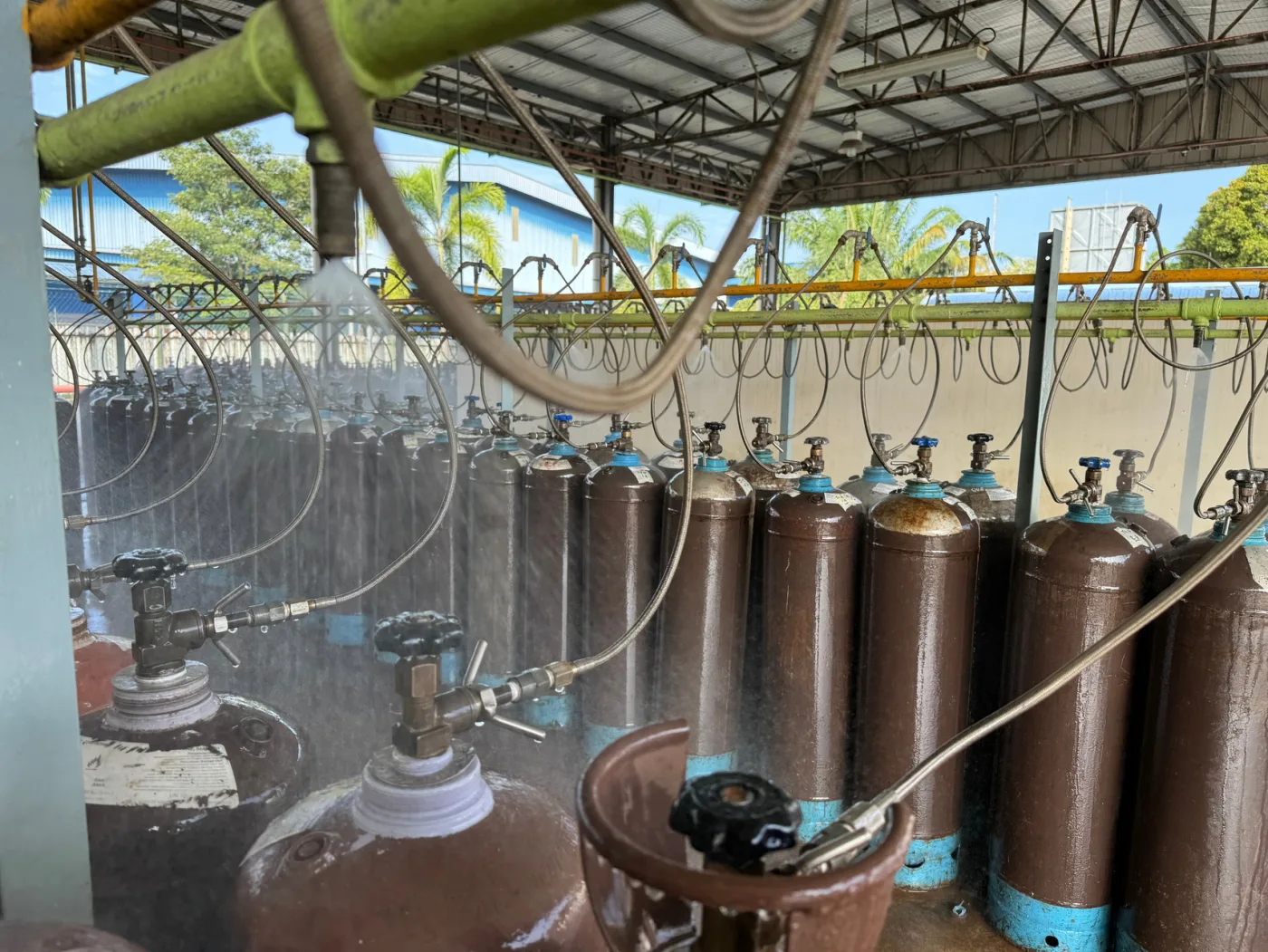
- Legal status
- A drug under the Drugs and Cosmetics Act
- Specification
- Indian Pharmacopoeia monograph
- Valve
- IS 3745:2024
- Colour coding
- IS 3933
- GST rate
- 12 % on medical oxygen against 18 % on industrial gases
The distinction that governs everything else
A medical gas is not a purer industrial gas. It is a drug, regulated under the Drugs and Cosmetics Act, 1940, and almost every practical difference follows from that single fact.
Industrial oxygen is a product specified by an Indian Standard, made under a PESO licence, sold on a commercial specification. Medical oxygen is a pharmaceutical product specified by a pharmacopoeial monograph, made under a drug manufacturing licence, with batch records, and subject to inspection by the drug authority rather than only by PESO.
The gas inside the cylinder is the smaller part of what a hospital is buying. The larger part is the licence behind it, the batch traceability, and the documentation that a drug inspector will ask to see.
What applies to medical oxygen
| Aspect | Industrial oxygen | Medical oxygen |
|---|---|---|
| Specification | IS 309 | Indian Pharmacopoeia monograph |
| Licence | PESO | Drug manufacturing licence and PESO |
| Valve | IS 3224 | IS 3745 — yoke-type pin-index |
| Colour coding | IS 4379 | IS 3933 |
| HSN / GST | 2804 40 90 · 18 % | 2804 10 · 12 % |
| Records | Fill record | Batch records, traceable |
The cylinder is the one thing they share: medical oxygen goes into seamless steel cylinders to IS 7285 (Part 1) like any other compressed gas, requalified on the same cycle.
The pin index is the safety system
IS 3745:2024 specifies the yoke-type medical cylinder valve with a pin-index connection, rated at 200 bar at 15 °C. The pin positions differ by gas, so a regulator or yoke configured for one medical gas physically cannot seat on the cylinder of another.
That is not a convenience feature. At an anaesthetic machine or a bedside, it is the last barrier between a correct connection and a fatal one, and it is designed to work when everything else has failed — the wrong cylinder delivered, the label obscured, the paint faded, the operator tired at three in the morning.
It follows that an adaptor which defeats the pin index defeats the entire safety system. There is no circumstance in which fitting one is the right answer. If a cylinder will not connect, that is the standard doing its job, and the correct response is to find out why.
Colour: the wrong table is worse than no table
Medical cylinders follow IS 3933. They do not follow IS 4379, which is titled for the contents of industrial gas cylinders and excludes medical service.
This matters because the two schemes differ, and medical oxygen is not painted like industrial oxygen. A hospital working from the industrial colour table — or from a general reference that does not make the distinction — is working from the wrong document.
We deliberately do not reproduce the IS 3933 table on this page. We hold a verified copy of the IS 4379 industrial table and publish it in full; we do not hold the same verified basis for IS 3933, and publishing a half-remembered medical colour chart would be worse than publishing nothing. Work to the standard itself, and to your own procedures.
Nitrous oxide
Nitrous oxide is a licensed medicine, and dealing in it requires authorisation even where the supplier does not manufacture it — normally a sale or distribution licence rather than a manufacturing one.
KIGL supplies nitrous oxide rather than manufacturing it. We are explicit about that because the distinction is exactly the kind that gets blurred in marketing copy, and it is one a drug inspector will ask about.
Nitrous oxide is also subject to misuse controls. End-use verification is a normal and proper part of supplying it, and a supplier who does not ask questions is not being helpful. See nitrous oxide for what we supply and how.
What to ask any medical gas supplier
Four questions, none of which should cause hesitation:
- Which licence do you hold, what is its number, and does it cover this specific gas? A PESO gas licence does not authorise manufacture of a drug.
- Which site was this cylinder filled at, and is that site licensed for medical service? A supplier with several filling stations may not hold medical authorisation at all of them.
- Can I have the batch record and the certificate of analysis? For a pharmacopoeial product this should be routine, not a favour.
- What is the pharmacopoeial specification you fill against, and which edition? The monograph is revised; "IP" alone is not an answer.
What KIGL supplies
KIGL manufactures medical oxygen and supplies nitrous oxide. Details of grade, cylinder and documentation are on the medical oxygen and nitrous oxide pages. For the industrial side of the same gases see oxygen standards, and the standards index for the rest of the cluster.
These pages are not the official text. BIS holds copyright to the Indian Standards, the Indian Pharmacopoeia Commission to the monographs, and where compliance is at stake those are the only documents that count. Nothing here overrides the Drugs and Cosmetics Act, the Gas Cylinders Rules, your licence conditions, or your own written procedures.
Medical gas standards — specification
| Property | Value | Method / basis |
|---|---|---|
| Specification | Indian Pharmacopoeia monograph | Medical oxygen — not IS 309 |
| Valve | IS 3745:2024 | Yoke-type pin-index, 200 bar at 15 °C |
| Cylinder construction | IS 7285 (Part 1):2018 | Seamless steel, as for industrial gases |
| Colour coding | IS 3933 | Medical cylinders — IS 4379 does not apply |
| Medical oxygen HSN | 2804 10 | India GST tariff, 12 % |
| Industrial oxygen HSN | 2804 40 90 | India GST tariff, 18 % |
| Nitrous oxide HSN | 2811 29 20 | India GST tariff, 18 % |
| Statutory framework | Drugs and Cosmetics Act 1940 + Gas Cylinders Rules 2016 | CDSCO / state drug authority + PESO |
Medical gas standards — frequently asked questions
Is medical oxygen just cleaner industrial oxygen?
No, and treating it that way is a licensing offence rather than a shortcut. Medical oxygen is a drug. It is specified by the Indian Pharmacopoeia monograph rather than IS 309, it must be manufactured under a drug licence, it is filled under separate controls with batch records, and it carries a physically different valve. The gas in the cylinder is only part of what you are buying — the rest is the licence, the batch traceability and the documentation your own inspector will ask to see.
What is a pin-index valve and why does it matter?
IS 3745 specifies a yoke-type valve whose pin positions differ by gas, so that a regulator for one medical gas physically cannot seat on the cylinder of another. Rated at 200 bar at 15 °C. It exists to make a wrong connection impossible at an anaesthetic machine or a bedside — which is why an adaptor that defeats the pin index defeats the entire safety system, and must never be used.
Why do medical cylinders follow IS 3933 rather than IS 4379?
IS 4379 is titled for the contents of *industrial* gas cylinders and medical cylinders sit outside its scope. Medical gas cylinders follow IS 3933, and the colours differ from the industrial scheme in ways that matter — medical oxygen is not painted like industrial oxygen. A hospital working to the industrial table would be working to the wrong document.
Do we need a different licence to buy or store medical gases?
Your obligations depend on what you do with them. Hospitals and nursing homes hold medical gases under their own regulatory conditions; distributors and dealers generally need a drug sale licence. What matters for your supplier is that manufacture requires a drug manufacturing licence and mere possession of a PESO gas licence does not cover it. Ask any supplier for their licence, and check it covers the specific gas.
Is nitrous oxide treated the same way as medical oxygen?
Nitrous oxide is a licensed medicine and dealing in it requires authorisation even where the supplier does not manufacture it, normally a sale or distribution licence rather than a manufacturing one. KIGL supplies nitrous oxide rather than manufacturing it. It is also subject to misuse controls, so end-use verification is a normal part of supply and should not be taken as an obstruction.
What about medical gas pipeline systems in hospitals?
A medical gas pipeline system is a regulated installation in its own right, distinct from cylinder supply, with its own design, testing, commissioning and validation requirements. It is a separate subject from the standards on this page and should not be assumed to be covered by a cylinder supplier’s licence.
Why is medical oxygen taxed differently?
Medical oxygen sits at 12 % GST under HSN 2804 10, while industrial oxygen sits at 18 % under 2804 40 90. It is the same element in both cases, so the distinction is regulatory rather than chemical, and it is a practical reason to get the classification right on every invoice.
Enquiries
Request a quotation
State the gas or equipment, the quantity or capacity, and your location. KIGL will confirm the grade, the cylinder or plant size, and whether the location can be served from Noonmati, or through our agent network.